
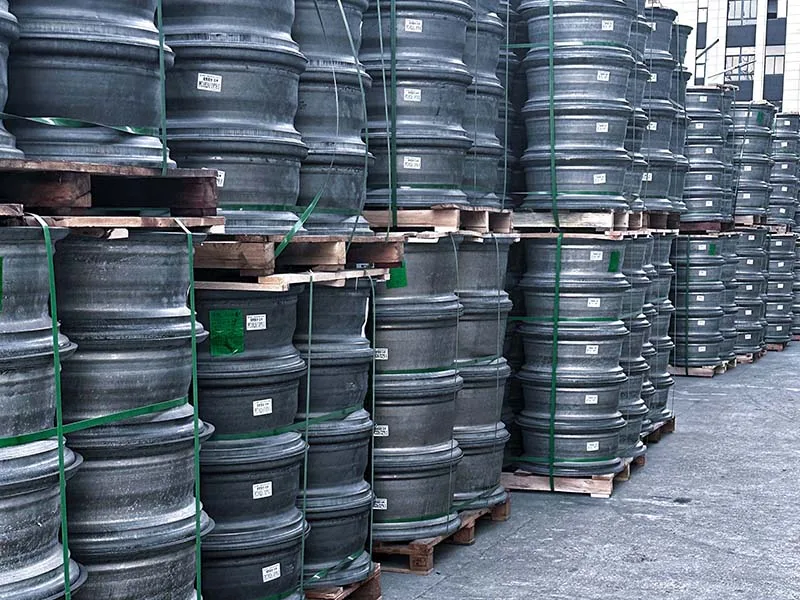
1.What are forged Wheels?
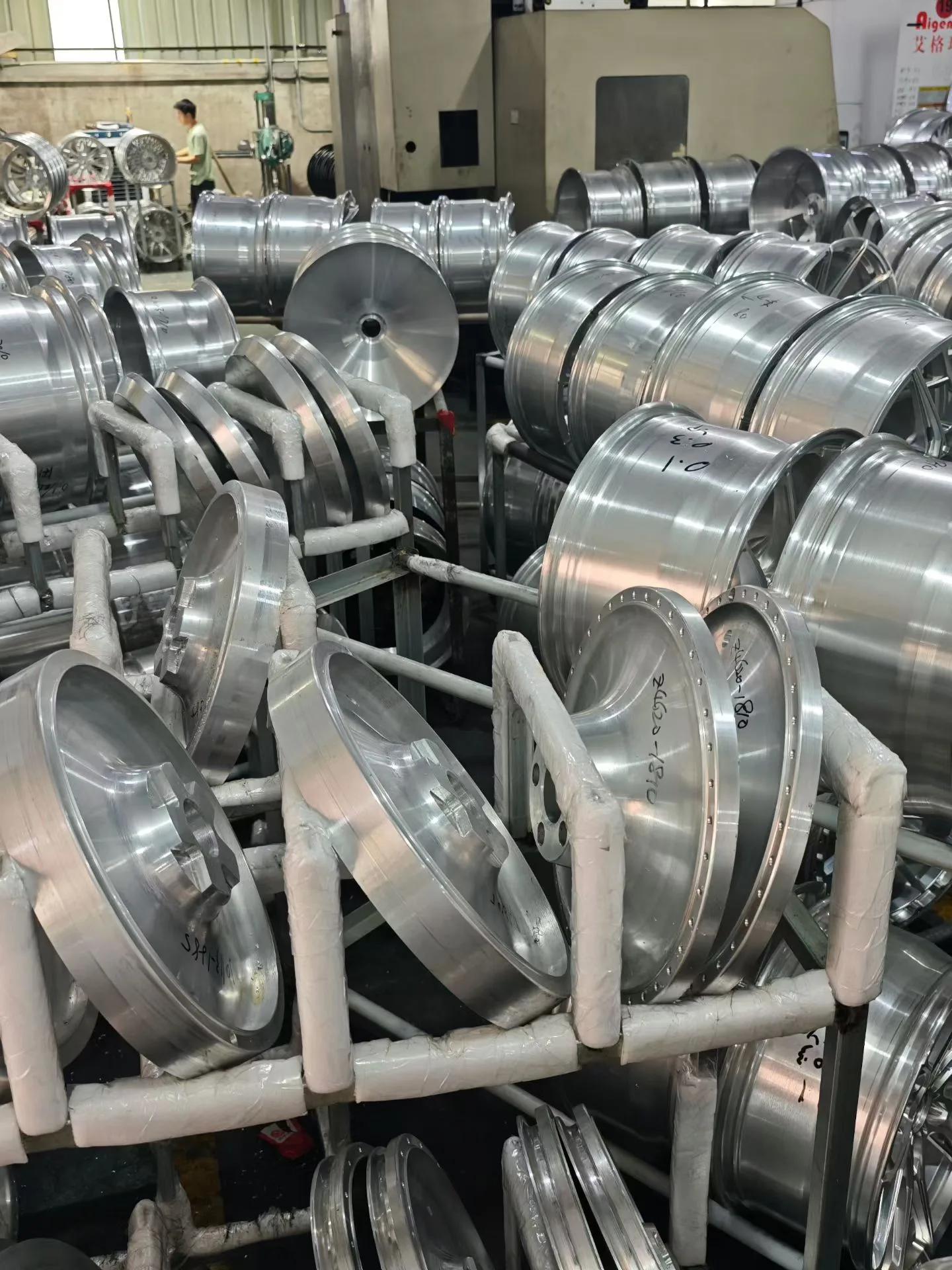
Forged wheels are a type of aftermarket wheel made from solid blocks of material, typically aluminum. Unlike cast wheels, which are made by pouring molten metal into molds, forged wheels are machined from a single piece of material. This machining process allows for precise shaping and customization options, resulting in wheels that are both aesthetically appealing and high-performing.
2.Advantages of forged Wheels
forged wheels offer several advantages over traditional cast wheels. Firstly, their construction from solid blocks of material makes them stronger and more durable. They are less prone to cracking or bending under heavy loads or harsh driving conditions. Additionally, forged wheels can be customized with unique designs, finishes, and color options, allowing truck owners to personalize their vehicles to their liking
3.Materials Used in forged Wheel Construction
Forged wheels are primarily made from aluminum due to its lightweight and corrosion-resistant properties. Aluminum alloys, such as T_6061 , are commonly used in forged wheel manufacturing. These alloys provide a balance of strength, malleability, and weight savings. Some high-end forged wheels may also incorporate other materials, such as carbon fiber or titanium, for added strength and weight reduction.
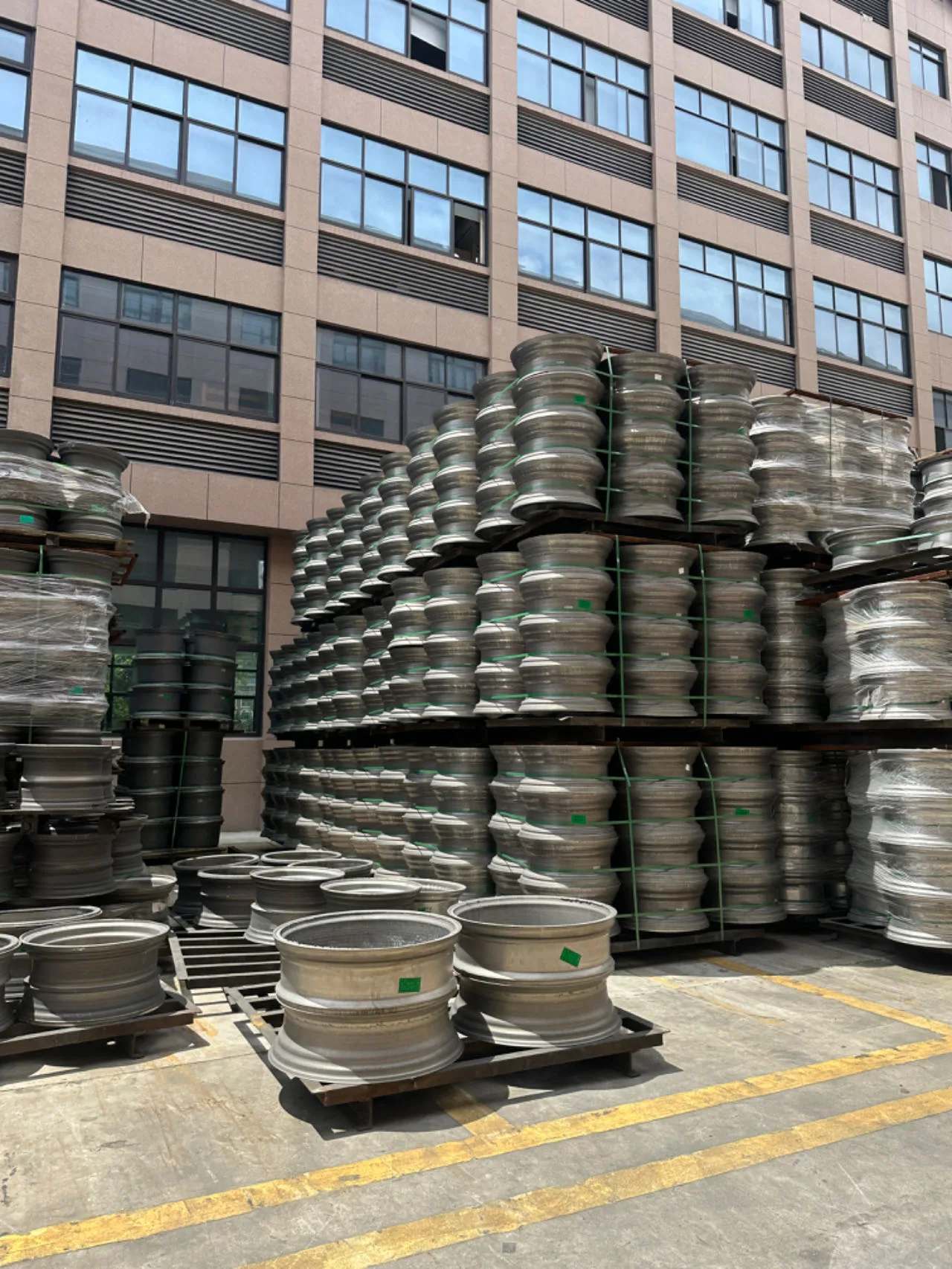
4.Choosing the Right Size and Fitment
Importance of Correct Wheel Size and Fitment.Choosing the right wheel size and fitment is crucial for ensuring optimal performance, safety, and aesthetics. Incorrect sizing or fitment can lead to clearance issues, tire rub, and compromised handling. It’s essential to consider factors such as wheel diameter, width, offset, and bolt pattern when selecting forged wheels for your car.

5.Determining the Appropriate Wheel Size for Your car
To determine the appropriate wheel size for your car, you need to consider your truck’s suspension, tire size, and intended use. It’s recommended to consult with a knowledgeable wheel expert or refer to your truck’s owner’s manual for specific recommendations. In general, car can accommodate wheel sizes ranging from 15 inches to 22 inches, depending on the suspension setup and modifications.
6.Ensuring Proper Fitment for Optimal Performance and Safety
Proper fitment is crucial for ensuring optimal performance and safety. It’s essential to choose forged wheels with the correct offset, which determines how far the wheels sit from the truck’s centerline. Incorrect offset can lead to poor handling, increased stress on suspension components, and potential tire rubbing. It’s recommended to consult with wheel fitment experts or use online tools to determine the appropriate offset for your car.
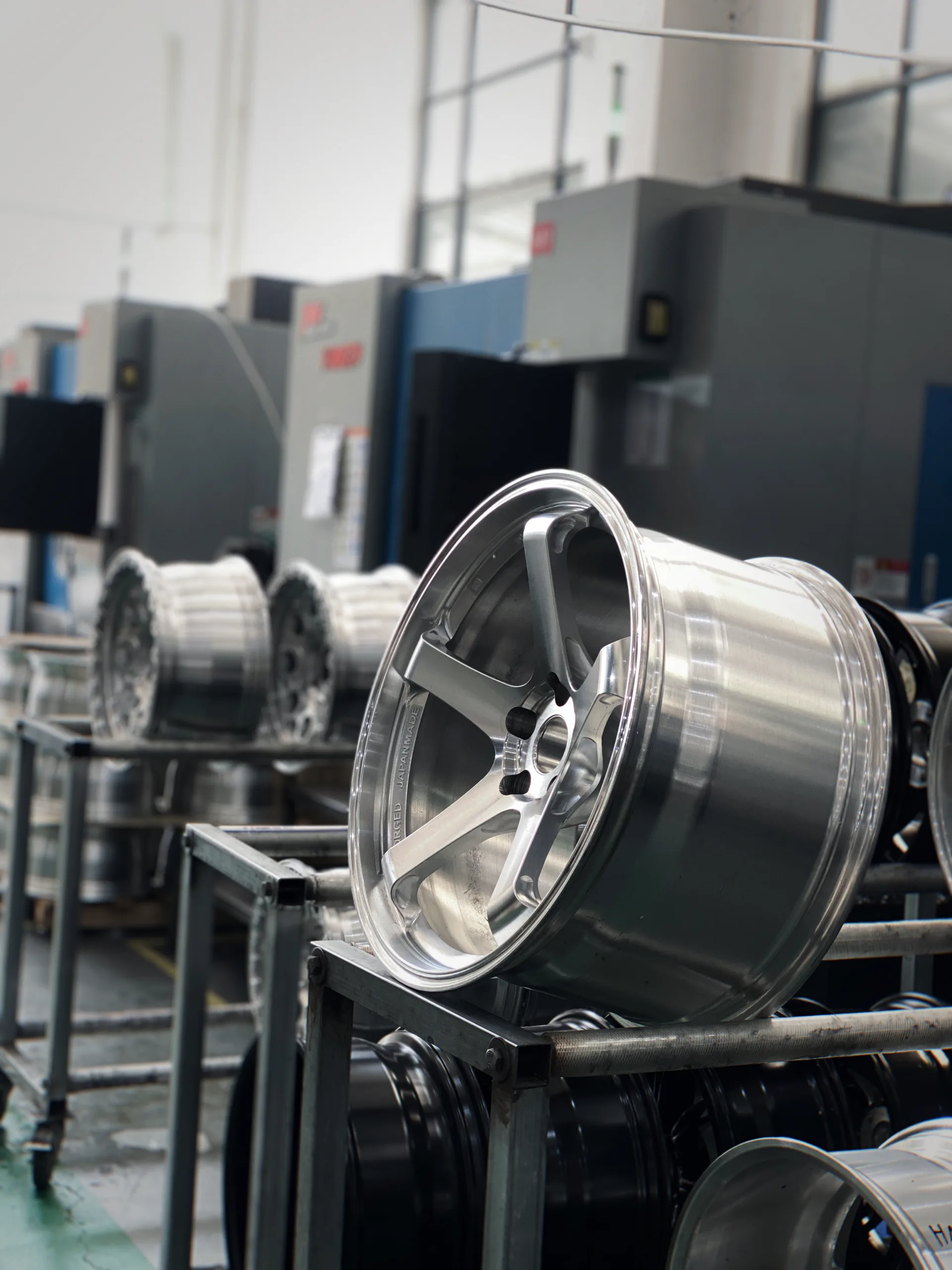
7.Design Options and Customization
Popular Design Options for Forged Wheelsforged wheels offer a wide range of design options to suit various preferences and styles. Some popular design options include:
designs:
- These designs feature multiple spokes that split from the center hub and extend towards the rim, creating an eye-catching look.
Mesh designs:
- TMesh-style forged wheels have a pattern of intersecting spokes that create a mesh-like appearance. This design is popular for both street and off-road applications.
Deep-dish designs: Deep-dish forged wheels have a concave profile, where the rim extends inward from the mounting surface. This design provides a bold and aggressive look.
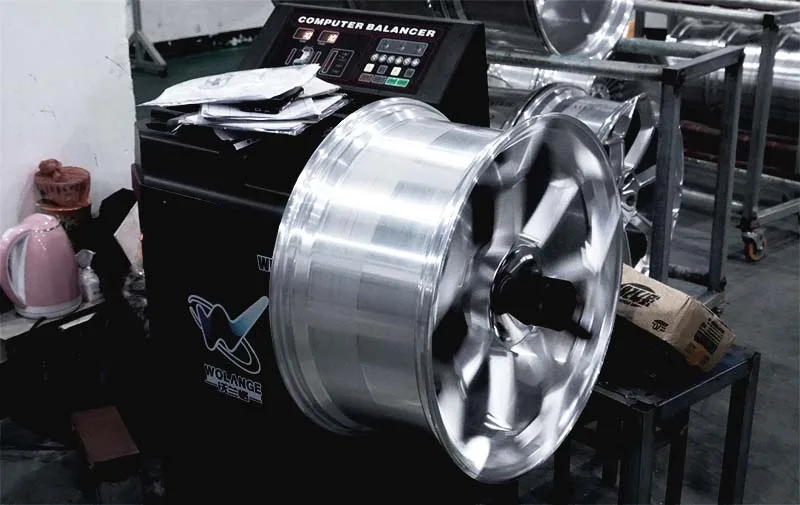
8.Customization Possibilities for a Unique Look
One of the significant advantages of forged wheels is the ability to customize them to achieve a unique look. Customization options include:
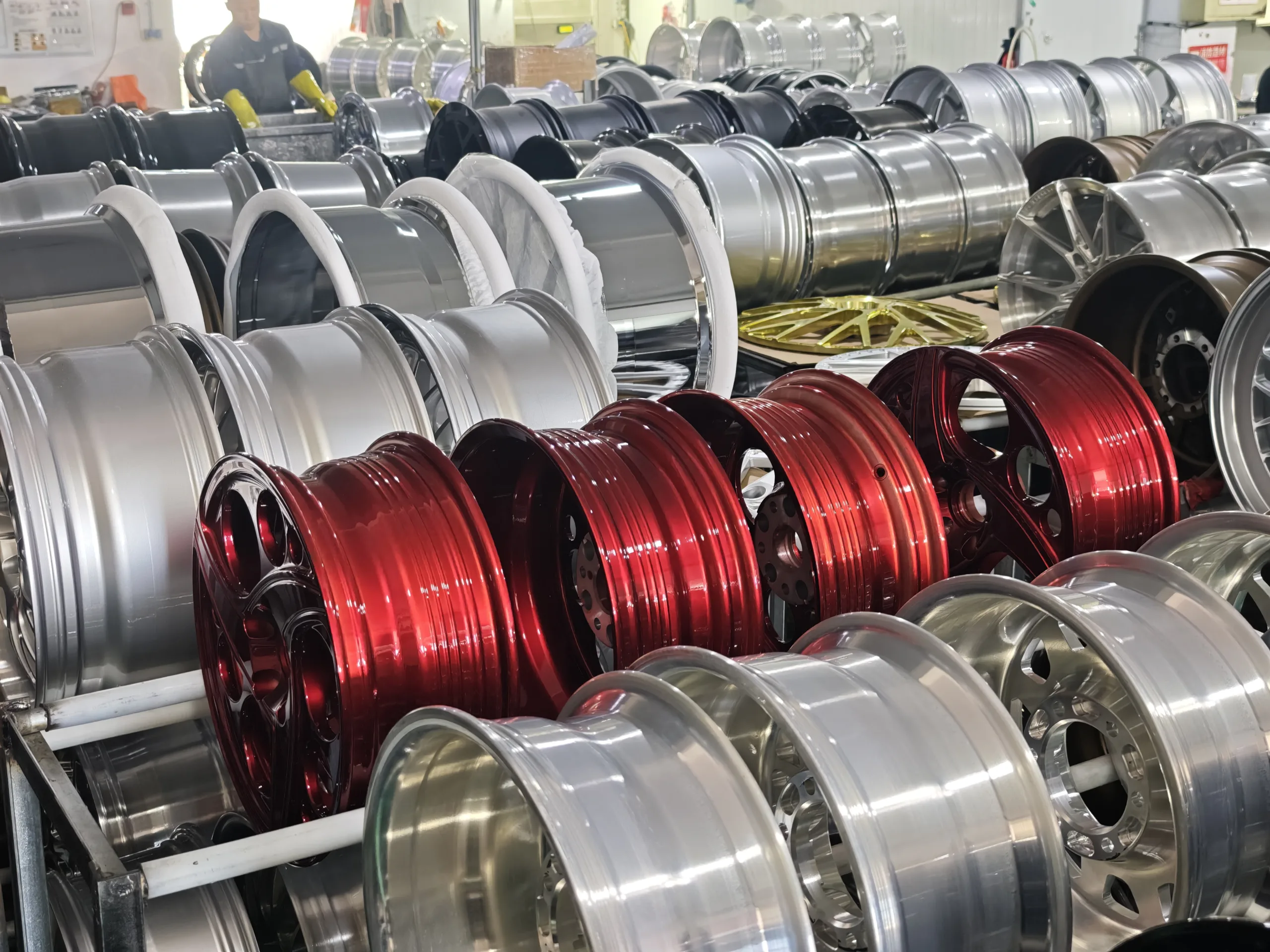
- Finishes: forged wheels can be finished in various ways, such as polished, brushed, powder-coated, painted,or chrome. These finishes can enhance the overall aesthetics and complement your car’s color scheme.
- Color accents: Some forged wheels allow for color accents on the spokes or rim, allowing you to add a personalized touch and match your truck’s exterior color.
- Center cap customization: Center caps can be customized with logos, emblems, or engraved designs, further enhancing the uniqueness of your forged wheels.
9.Considerations for Matching the Wheel Design with Your car’s Style
When selecting forged wheels for your car, it’s essential to consider your car’s style and overall aesthetic. Choose a design that complements the lines and proportions of your car. For example, if you have a lifted car with aggressive styling, consider a larger-diameter wheel with a more rugged design. Conversely, if you have a stock or slightly modified car, a cleaner and simpler design may be more suitable.
10.Performance Benefits of Forged Wheels
- Enhanced Handling and Maneuverability
- Improved Braking Performance
- Increased Acceleration and Responsiveness
forged wheels can significantly enhance the handling and maneuverability of your car. Their lightweight construction reduces unsprung weight, which improves suspension response and overall handling characteristics. The reduced weight also allows for quicker acceleration and deceleration, making your car more responsive and agile on the road or off-road
The lighter weight of forged wheels can also improve braking performance. With less mass to slow down, your car’s braking system can operate more efficiently, resulting in shorter stopping distances and improved overall safety. Additionally, forged wheels often have designs that allow for better airflow to the brakes, aiding in heat dissipation and reducing the risk of brake fade under demanding conditions.
forged wheels’ reduced weight can have a noticeable impact on your car’s acceleration and responsiveness. The lighter rotational mass requires less power to get the wheels moving, resulting in improved acceleration. This increased responsiveness can enhance your overall driving experience, whether you’re merging onto the highway or tackling challenging off-road trails.
11.Maintenance and Care for Forged Wheels
Cleaning and Maintenance Tips for forged wheels.
Proper cleaning and maintenance are essential to keep your forged wheels looking their best and to prevent any damage. Here are some tips to consider:
- Regular cleaning: Clean your forged wheels regularly using a mild detergent and water. Avoid harsh chemicals that can damage the finish
- Avoid abrasive materials: Use a soft cloth or sponge to clean your wheels. Avoid abrasive materials or brushes that can scratch the surface.
- Remove brake dust and road grime: Brake dust and road grime can accumulate on your wheels. Regularly remove them using a non-acidic wheel cleaner and a soft brush or cloth.
- Dry thoroughly: After cleaning, make sure to dry your forged wheels thoroughly to prevent water spots or corrosion..
Protecting the Finish and Preventing Corrosion
To protect the finish of your forged wheels and prevent corrosion, consider the following steps:
- Apply a protective sealant: Use a high-quality wheel sealant or wax to protect the surface from dirt, debris, and UV rays. This sealant will also make future cleaning easier.
- Avoid harsh chemicals: Avoid using harsh chemicals, such as acid-based cleaners or abrasive polishes, as they can damage the finish and lead to corrosion.
- Inspect for damage: Regularly inspect your forged wheels for any signs of damage, such as chips, scratches, or peeling finish. Address any issues promptly to prevent further deterioration.
12.8.Installation Process and Considerations
DIY Installation vs. Professional Installation
The installation of forged wheels can be done as a DIY project or by a professional. Consider the following factors when deciding:
- Skill level and experience: If you have prior experience with wheel installations and are confident in your abilities, you may choose to install the forged wheels yourself. However, if you’re unsure or lack experience, it’s recommended to seek professional assistance.
- Tools and equipment: Installing forged wheels may require specialized tools and equipment, such as torque wrenches and wheel balancers. Ensure you have access to the necessary tools before attempting a DIY installation.
- Warranty considerations: Some billet wheel manufacturers may require professional installation to maintain warranty coverage. Check the manufacturer’s guidelines and warranty terms before making a decision.
Important Considerations During the Installation Process
Whether you choose to install the forged wheels yourself or have them professionally installed, consider the following important factors:
- Proper torque specifications: Follow the manufacturer’s recommended torque specifications when tightening the lug nuts. Proper torque ensures the wheels are securely fastened and prevents over-tightening or under-tightening.
- Correct centering and hub-centric rings: Ensure the forged wheels are centered on the car’s hubs to prevent vibrations or uneven wear. Hub-centric rings may be necessary to achieve a proper fitment.
- Alignment and suspension setup: After installing the forged wheels, it’s recommended to have your car’s alignment checked and suspension setup verified. This ensures optimal handling and tire wear.
Common Challenges and How to Overcome Them
During the installation process, you may encounter some common challenges. Here are a few tips to help you overcome them:
- Clearance issues: If the forged wheels are rubbing against suspension components or other parts of the car, consider using wheel spacers or adjusting the suspension to achieve proper clearance.
- Fitment concerns: If the forged wheels don’t fit properly or align correctly with the car’s body, consult with a wheel fitment expert or contact the manufacturer for guidance.
- Balancing and vibration: If you experience vibrations or wheel wobbling after installation, it may indicate an imbalance. Have the wheels balanced by a professional to resolve the issue.
13.Conclusion
In conclusion, upgrading your car with forged wheels can dramatically enhance its performance, aesthetics, and overall driving experience. forged wheels offer numerous advantages, including improved handling, braking performance, and customization possibilities. By choosing the right size, fitment, and design, you can find forged wheels that perfectly complement your car’s style. Remember to follow proper maintenance and care routines to keep your forged wheels looking their best and ensure long-lasting performance. With the recommendations provided and the information covered in this guide, you’re well-equipped to make an informed decision and take your car to the next level with forged wheels. Happy driving!
Additional Information:
1. It’s recommended to consult with a professional wheel fitment expert or contact the billet wheel manufacturer for specific fitment recommendations for your car.
2.Always refer to the manufacturer’s instructions and guidelines during the installation process to ensure proper installation and warranty coverage.
Hi, this is a comment.
To get started with moderating, editing, and deleting comments, please visit the Comments screen in the dashboard.
Commenter avatars come from Gravatar.